
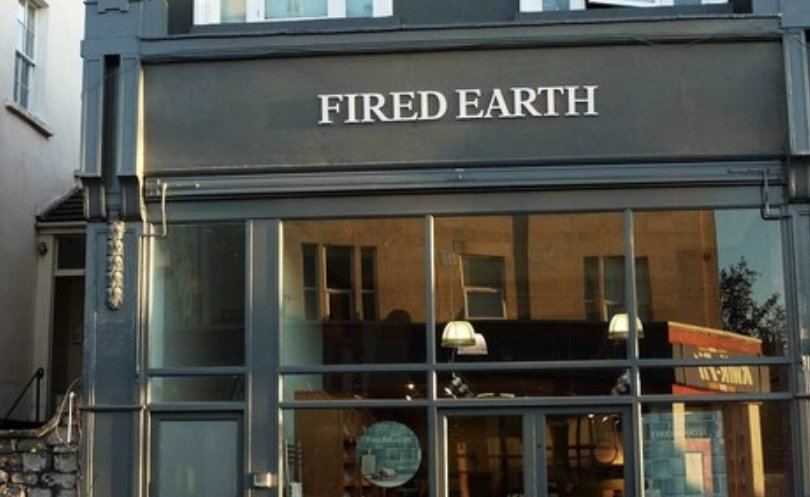
Fired Earth administration has emerged as a significant event in the UK retail landscape, marking the unexpected collapse of one of the country’s most renowned luxury tile brands. Known for its premium tiles, paints, and home interior products, Fired Earth had established a reputation for quality and elegance over decades. However, financial difficulties, rising costs, and changing consumer habits ultimately led to the decision to enter administration, affecting both employees and loyal customers.
The announcement of Fired Earth administration in October 2025 sent shockwaves through the home interiors sector. With annual losses reported at £1.6 million, the company struggled to cover its operational expenses and maintain profitability. Leonard Curtis was appointed to oversee the administration, tasked with managing redundancies, securing assets, and exploring potential buyers to preserve the brand. The process reflected the growing challenges faced by premium UK retailers in a competitive market.
Background of Fired Earth
Fired Earth began as a niche luxury tile retailer, quickly expanding its footprint across the UK. The company specialised in high-quality ceramic tiles, paints, and other home interior products, attracting a clientele that valued craftsmanship and timeless design. Over the years, Fired Earth grew its network to include 20 showrooms nationwide, offering both residential and commercial customers an extensive range of premium products.
Despite its strong reputation, Fired Earth faced mounting pressure from evolving market conditions. Competitors in the UK luxury tile sector became increasingly aggressive, while consumer preferences shifted towards more affordable options. The combination of rising costs, changing tastes, and a challenging retail environment contributed to the eventual announcement of Fired Earth administration, signalling a turning point for the brand and its operations.
Events Leading to Fired Earth Administration
Several critical factors led to Fired Earth administration. Declining consumer spending played a major role, as customers became more cautious with high-end purchases. The luxury retail sector was particularly hard hit, with shoppers prioritising cost-effective solutions over premium tiles and décor. Fired Earth, with its strong focus on quality and high price points, struggled to maintain steady sales in this climate.
Operational costs also contributed heavily to the financial difficulties. Running 20 showrooms, alongside staffing, logistics, and marketing expenses, created a high-cost structure that the company could no longer sustain. Combined with an accumulated trading loss of £1.6 million in 2024, Fired Earth found itself unable to meet financial obligations, making administration the most viable option to protect the brand and manage its liabilities.
Administration Process
Fired Earth administration was formally initiated with the appointment of joint administrators Dane O’Hara and Alex Cadwallader from Leonard Curtis. Their responsibility was to manage the company’s insolvency, secure assets, and plan the orderly closure of non-viable operations. The administration process is designed to protect the interests of creditors while exploring opportunities to preserve value where possible, often through the sale of business assets.
As part of this process, all 20 UK showrooms were closed, and 133 employees were made redundant. The head office and warehouse remained temporarily operational to handle existing orders and customer inquiries. This approach ensured minimal disruption for clients, while also allowing administrators to focus on securing the best outcome for creditors. The careful execution of Fired Earth administration showcased the legal and financial complexities of managing a high-profile retail collapse.
Acquisition by Topps Tiles
Following the administration, the Fired Earth brand and its assets were acquired by Topps Tiles for £3 million. The acquisition included the company’s website, inventory, and intellectual property, enabling Topps Tiles to integrate Fired Earth into its existing premium product portfolio. The purchase represented a strategic move to expand market share and strengthen its position in the UK luxury tile sector.
Topps Tiles ensured that existing Fired Earth orders were fulfilled, providing continuity for customers despite the administration process. By acquiring a well-established brand, the company not only preserved Fired Earth’s reputation but also leveraged its premium offerings to attract discerning customers. The acquisition demonstrates how administration can lead to brand revival and strategic growth under new management.
Impact on Employees and UK Retail Sector
Fired Earth administration had a profound impact on employees, with 133 staff members losing their jobs. Redundancy packages and support were provided where possible, but the closures highlighted the human cost of retail insolvencies. The administration emphasised the importance of careful workforce management during business crises and the need to mitigate employee distress wherever possible.
The wider UK retail sector also felt the reverberations of Fired Earth administration. The collapse highlighted the vulnerabilities of premium retailers in a market affected by rising costs and declining discretionary spending. Other retailers can learn from Fired Earth’s experience, recognising the importance of agile business models, strategic cost management, and adapting to evolving consumer trends to remain competitive.
Lessons Learned from Fired Earth Administration
Fired Earth administration provides valuable lessons for both businesses and investors. Effective financial planning, cost control, and an ability to adapt to changing market conditions are essential for maintaining stability in the luxury retail sector. Companies must monitor consumer behaviour closely and respond swiftly to shifts in demand to avoid similar financial crises.
The acquisition by Topps Tiles also illustrates how brands can recover after administration. By leveraging a strong brand identity and combining it with strategic management, Fired Earth demonstrates that even after financial collapse, there is potential for revival. The case serves as a blueprint for other premium retailers navigating challenging economic conditions, highlighting the balance between operational efficiency and brand legacy.
Conclusion
Fired Earth administration marked a pivotal moment in the UK luxury tile and home interiors market. Financial losses, high operational costs, and shifting consumer trends led to the closure of showrooms and significant staff redundancies. However, the acquisition by Topps Tiles ensured the brand’s continuation, preserving its legacy and providing lessons for other luxury retailers. Understanding the Fired Earth administration experience offers valuable insights into retail resilience and strategic recovery.